Introduction
In life-threatening emergencies, swift and efficient treatment can suggest the distinction in between life and death. This is where the dispute of BLS vs ALS comes into play. Basic Life Support (BLS) and Advanced Life Assistance (ALS) are 2 critical stages in emergency medical action. Understanding when to use each approach can be paramount in saving lives.
This short article intends to dig deep into the details of BLS and ALS, helping you recognize when it's time to call for advanced life assistance. With detailed areas on strategies, procedures, and useful scenarios, you'll be fully equipped with understanding that might save a life.
BLS vs ALS: Understanding the Essentials of Life Support
What is Basic Life Support?
Basic Life Assistance (BLS) refers to the preliminary care given to individuals experiencing heart attack or respiratory system failure. It usually includes:
- Checking Responsiveness: Assessing whether the person is conscious or unconscious. Calling for Assistance: If less competent, calling emergency solutions immediately. Performing CPR: Administering upper body compressions and rescue breaths if necessary.
The Duty of Advanced Life Support
Advanced Life Assistance (ALS) encompasses more advanced procedures carried out by qualified medical employees, which might include:
- Medications: Providing medicines like epinephrine or amiodarone throughout cardiac emergencies. Advanced Respiratory tract Management: Making use of intubation methods to safeguard the airway. Defibrillation: Making Use Of an Automated External Defibrillator (AED) or hand-operated defibrillator for heart rhythm disturbances.
When Must You Ask for Advanced Life Support?
Identifying Medical Emergencies
Recognizing when to intensify from BLS to ALS can be tough. Right here are some scenarios:
Understanding Hospital Codes and Protocols
Hospitals run under particular codes associating with emergencies, such as Code Blue for heart attack. Knowing these can assist when ALS ought to be activated.
Key Strategies in BLS
Checking Casualty's Breathing
One vital action in BLS is checking for breathing:
- Place your ear near their mouth while watching their upper body rise. Look for signs like irregular breathing patterns or gasping.
Taking Activates Compressions
If numerous responders are present:
- Alternate every two minutes to avoid fatigue. Ensure uniformity in compression depth-- a minimum of 2 inches deep at a price of 100 to 120 compressions per minute.
ALS Procedures Explained
Lower Compression Depth vs Greater Compression Depth
While BLS concentrates on fundamental strategies, ALS may involve much more intensive approaches that might change compression depth based on person needs.
Slow Compression Price: A Common Mistake?
During high-stress situations, -responders might decrease their compression rate. Keeping calmness is critical; staying on top of a stable rate makes sure optimal blood flow.
Public Defibrillator Usage: A Game Changer
How Public AEDs Work
Automated External Defibrillators are developed for usage by nonprofessionals:

Empowering Areas with AED Training
Communities that buy public defibrillator training see far better survival rates throughout cardiac events because of quicker action times.
BLS Certification: Why It Matters?
Importance of Regular Training Classes
BLS certification training courses supply hands-on experience in crucial techniques:
- Ensure you know with inspecting responsiveness and recognizing no breathing effectively. Refresh skills every couple of years as guidelines alter frequently.
Certification Bodies and Their Standards
Organizations like the American Heart Association (AHA) set criteria that make certain all certified people are outfitted with current knowledge and skills.
BLS vs ALS: Training Differences
Curriculum Overview
|Training Kind|Duration|Trick Skills Covered|| ---------------|----------|--------------------|| BLS|4 hours|CPR, AED use|| ALS|Differs|Drug procedures, progressed airway management|
Practical Implications
Knowing how each sort of training influences real-world application can help responders select intelligently in between BLS or waiting for ALS intervention.
Scenarios That Call for Immediate Action
Real-Life Situation Studies
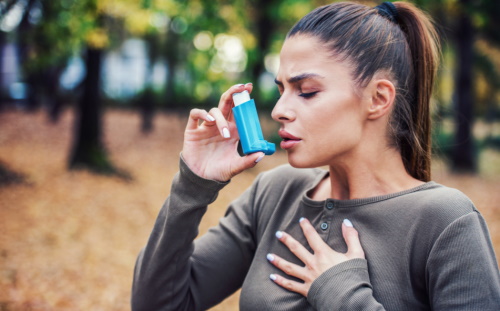
A middle-aged guy falls down during a marathon-- what should onlookers do? A child experiences an asthma strike at home-- when do you ask for help?Each scenario highlights how recognizing BLS vs ALS virtual CPR can help decision-making under pressure.
FAQ Section
What's the key difference in between BLS and ALS?- The primary difference lies in training levels; BLS consists of standard treatments while ALS entails innovative procedures executed by medical professionals.
- If you find a person unresponsive and not breathing, start mouth-to-mouth resuscitation instantly till help arrives.
- Yes! Public access AEDs are made for laymans; training assists ensure appropriate usage however isn't mandatory.
- It's advised to renew every 2 years as guidelines may develop over time.
- Absolutely! Remaining tranquil guarantees reliable interaction and appropriate technique execution during crises.
- Hospitals adhere to details codes like Code Blue which activates instant innovative assistance groups upon identification of a heart event.
Conclusion
Navigating with life's unforeseen emergencies requires understanding, fast reasoning, here and in some cases a little bit of courage-- comprehending BLS vs ALS provides you both quality and self-confidence in evaluating situations properly. Whether you're a nonprofessional wanting to aid or a medical care specialist brushing up on abilities, understanding when to require advanced life assistance ensures that every 2nd counts in the direction of conserving lives properly. As we proceed improving our emergency action systems with education and learning and neighborhood recognition, we uphold our collective obligation in the direction of health and wellness security-- due to the fact that together, we can make a difference!
This thorough guide has actually furnished you with insights right into comparing Basic Life Support and Advanced Life Assistance while emphasizing their corresponding functions during emergencies-- since every heartbeat matters!